Revolutionizing Healthcare with Mobile Sterilization Units: The Future of Medical Centers and Mobile Clinics
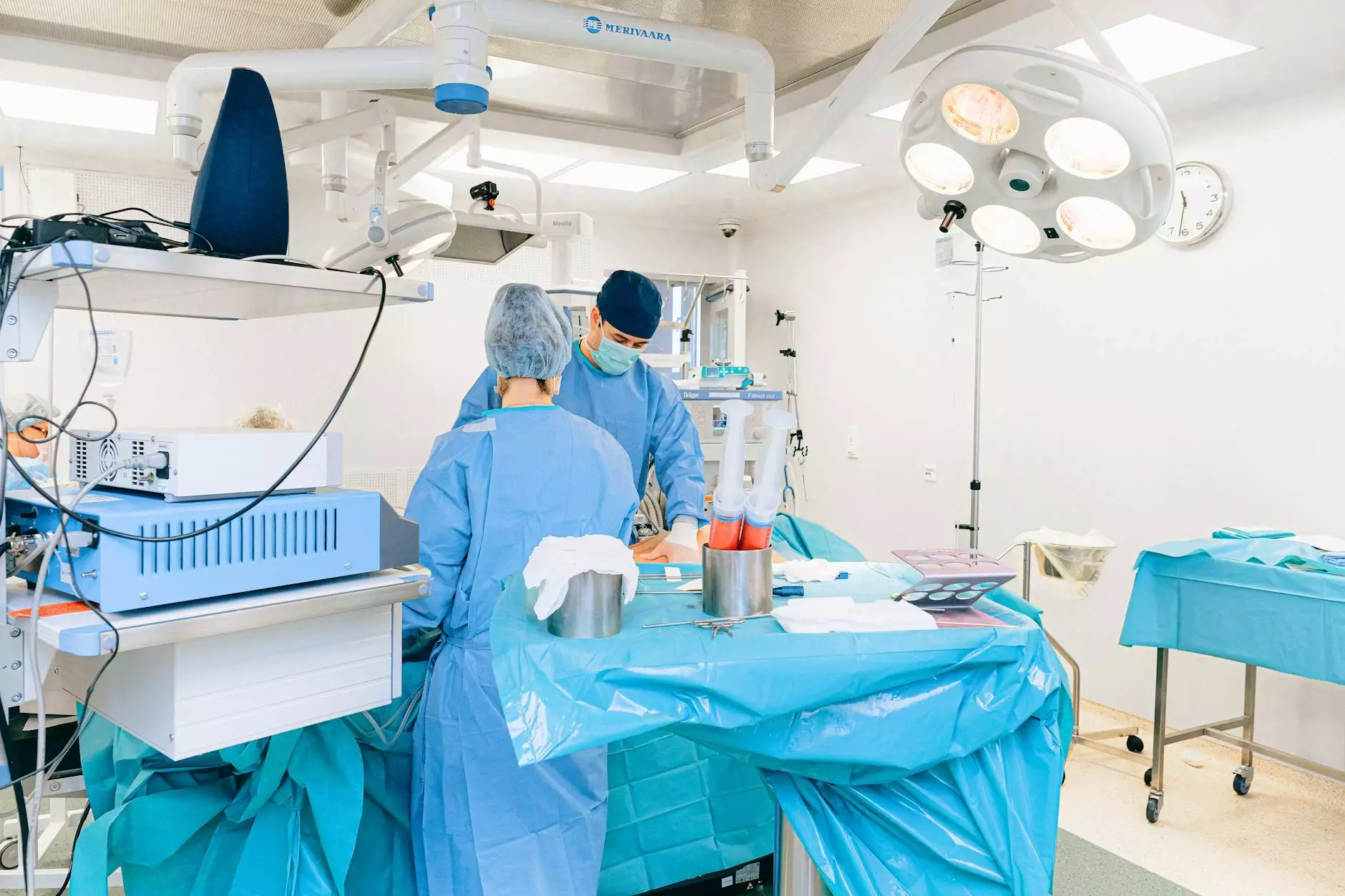
In the rapidly evolving landscape of healthcare, innovation plays a crucial role in ensuring that medical facilities can deliver safe, efficient, and accessible services. Among the most groundbreaking advancements is the deployment of mobile sterilization units. These units are transforming how hospitals, clinics, and medical centers operate, providing unprecedented flexibility, hygiene standards, and cost efficiency. This article delves into the multifaceted benefits of mobile sterilization units, their significance within Doctors, Health & Medical, and Medical Centers sectors, and how they are helping shape the future of healthcare delivery worldwide.
Understanding the Concept of a Mobile Sterilization Unit
A mobile sterilization unit is a sophisticated, transportable medical facility equipped with state-of-the-art sterilization technology designed to ensure the highest standards of hygiene and infection control. Unlike traditional sterilization processes confined to fixed locations, these mobile units can be deployed directly at the point of need—be it remote clinics, disaster zones, or busy urban hospitals—making healthcare delivery more adaptable, timely, and resilient.
The Critical Role of Mobile Sterilization Units in the Modern Medical Landscape
Enhancing Infection Control in Diverse Settings
Infection control remains a cornerstone of safe medical practices. Mobile sterilization units facilitate rigorous sterilization protocols across various environments, ensuring that medical tools, surfaces, and environments remain free of pathogens. This capability is especially crucial in emergency response situations, temporary medical camps, and mobile clinics operating in high-risk zones.
Supporting Emergency and Disaster Relief Efforts
In disaster-stricken areas or during pandemics, healthcare infrastructure can be overwhelmed or damaged. Mobile sterilization units enable rapid setup of sterile environments, allowing medical personnel to carry out surgeries, wound care, and other interventions safely. Their portability ensures that critical sterilization processes are maintained regardless of location, expanding healthcare reach in times of crisis.
Driving Cost Efficiency and Operational Flexibility
Investing in permanent sterilization facilities can be prohibitively expensive, especially for rural or underserved areas. Mobile sterilization units reduce costs associated with infrastructure while providing scalable solutions tailored to fluctuating demand. Medical centers can allocate resources more effectively, deploying sterilization capabilities exactly where they are needed most, thereby enhancing overall operational flexibility.
Advancements in Mobile Sterilization Units: Technology and Features
State-of-the-Art Sterilization Technologies
Modern mobile sterilization units incorporate cutting-edge sterilization methods such as autoclaving, vaporized hydrogen peroxide, ultraviolet (UV) sterilization, and plasma-based sterilization. These technologies offer rapid turnaround times, energy efficiency, and the ability to sterilize a wide range of medical instruments, including those sensitive to heat and moisture.
Integrated Environmental Controls and Monitoring
To ensure maximum sterilization efficacy, these units come equipped with sophisticated environmental controls—including temperature, humidity, and air filtration systems—plus real-time monitoring systems. This integration guarantees that sterilization processes meet stringent healthcare standards consistently, providing peace of mind to medical practitioners and patients.
Customizable and Modular Designs
Recognizing that different healthcare settings have diverse needs, mobile sterilization units feature customizable and modular designs. Healthcare providers can select configurations tailored to specific requirements, such as high-volume sterilization, specialized procedures, or multi-functional units combining sterilization and examination capabilities.
Impact on Doctors, Medical Centers, and Healthcare Stakeholders
Empowering Healthcare Providers with Flexibility and Safety
For doctors and medical staff, access to reliable sterilization is non-negotiable. Mobile sterilization units empower these professionals to maintain strict hygiene protocols across varied environments without compromising safety or efficiency. This flexibility allows practitioners to extend their services into remote or underserved communities, delivering care that is both safe and timely.
Transforming Medical Centers into More Adaptive Facilities
Traditional medical centers often face spatial and infrastructural constraints that limit their sterilization capacity. By integrating mobile sterilization units, these centers can dynamically expand their capabilities, quickly adjusting to patient influx surges, outbreak containment, or specific procedural demands. This agility enhances their resilience and service quality.
Ensuring Compliance with Healthcare Standards and Regulations
Adherence to international sterilization standards—such as those from OSHA, CDC, and WHO—is critical for medical institutes. Mobile sterilization units are designed to meet or exceed these standards through advanced technologies and rigorous protocols, helping healthcare providers avoid costly violations and ensure patient safety.
Advantages of Incorporating Mobile Sterilization Units in Healthcare Operations
- Versatility: Deployable across various settings, from rural clinics to disaster zones.
- Time-Saving: Rapid setup and turnaround speeds optimize patient throughput.
- Cost-Effective: Reduced need for permanent infrastructure investments.
- Environmental Sustainability: Many units incorporate energy-efficient systems, reducing carbon footprint.
- Enhanced Safety: Consistent sterilization reduces infection risks.
- Scalability: Modular designs facilitate easy expansion as demand grows.
- Compliance Assurance: Meets high-level regulatory standards, fostering trust.
Future Trends and Innovations in Mobile Medical Sterilization
The evolution of mobile sterilization units continues at a rapid pace, driven by technological advances and changing healthcare needs. Future trends include:
- Integration of AI and IoT for predictive maintenance, process optimization, and real-time diagnostics.
- Enhanced portability through lighter materials and foldable designs.
- Renewable energy solutions such as solar-powered units to improve sustainability and operational independence.
- Remote monitoring and management to facilitate operation oversight from centralized locations.
- Biodegradable sterilization materials promoting eco-friendly healthcare practices.
Conclusion: Embracing Innovation to Elevate Healthcare Standards
As healthcare continues to face unprecedented challenges, the adoption of mobile sterilization units represents a vital step toward creating safer, more flexible, and accessible medical environments. For Doctors, Health & Medical, and Medical Centers, integrating these advanced mobile systems is not just a technological upgrade but a strategic investment in quality patient care and operational excellence. With ongoing innovations, the future of mobile medical sterilization promises to strengthen healthcare infrastructure worldwide, ensuring that no community is left behind in the pursuit of health and safety.
Whether establishing new clinics, responding to emergencies, or enhancing existing facilities, mobile sterilization units are poised to redefine how and where healthcare is delivered. Embracing this technology today lays the foundation for a healthier, more resilient tomorrow.